
Overview of Lemongrass
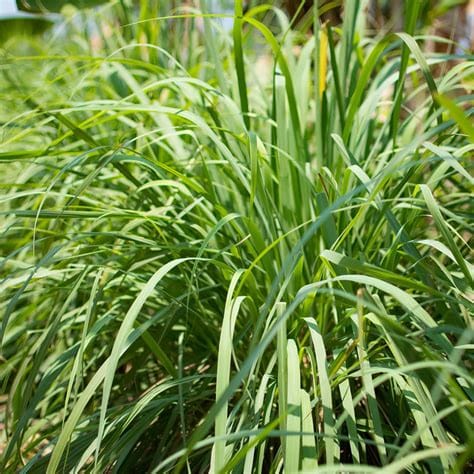
Lemongrass, scientifically known as Cymbopogon, is a genus of tropical plants in the grass family. It includes about 52 species, with Cymbopogon citratus (West Indian lemongrass) and Cymbopogon flexuosus (East Indian lemongrass) being the most commonly used in culinary applications.
Culinary Uses
Lemongrass is popular in various cuisines, especially in Southeast Asia. It is known for its lemony flavor, which enhances soups, curries, and teas. The lower stalks are often chopped or ground for flavoring, while the leaves can be brewed into tea.

Key Culinary Applications
- Soups and Curries: Essential in dishes like Tom Yum and Tom Kha.
- Teas: Brewed for a refreshing drink, often enjoyed hot or cold.
- Flavoring: Used in marinades and sauces for a citrusy kick.
Health Benefits
Lemongrass is believed to offer several health benefits, although more research is needed to confirm these effects. Some potential benefits include:
- Blood Pressure Reduction: Contains compounds that may lower blood pressure.
- Anxiety Relief: May help reduce anxiety and promote relaxation.
- Antimicrobial Properties: Exhibits potential in preventing infections.