

Significance of Bastille Day
Bastille Day, a Fête nationale for France, is celebrated on July 14 each year. This day marks a pivotal moment in French history—the storming of the Bastille prison in 1789, which signified the beginning of the French Revolution.
Historical Context
- Storming of the Bastille: On July 14, 1789, a mob stormed the Bastille, a fortress and state prison in Paris. This event was fueled by widespread discontent with the oppressive rule of King Louis XVI and the economic hardships faced by the common people.
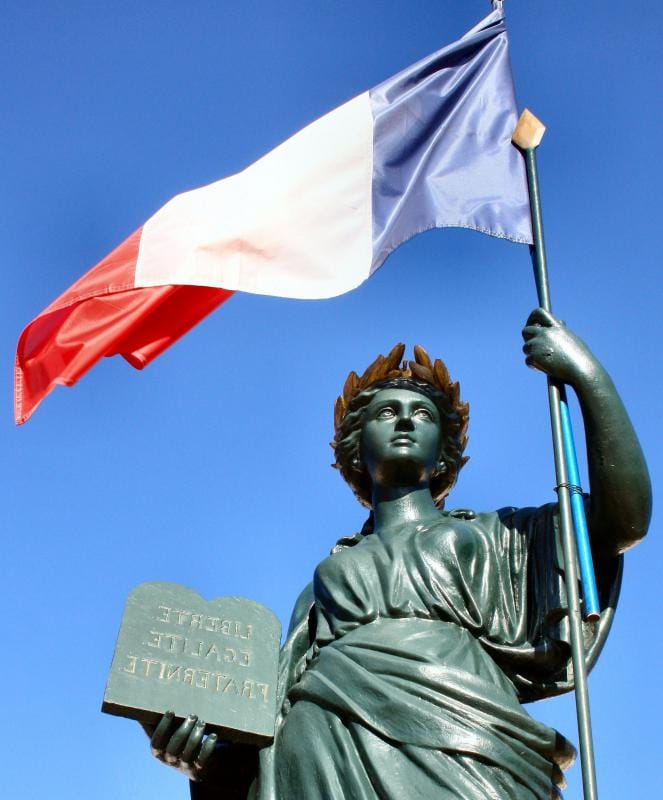
- Symbol of Oppression: The Bastille had become a symbol of the tyranny of the Bourbon monarchy. Its capture represented a significant victory for the revolutionaries and the fight for liberty, equality, and fraternity.
Celebrations and Traditions
Bastille Day is a day of national pride in France, celebrated with various festivities, including:
- Military Parades: The most notable event is the military parade on the Champs-Élysées in Paris, which is the oldest and largest military parade in Europe.
- Fireworks: Fireworks displays are held across the country, particularly in major cities like Paris, where they culminate in a spectacular show at the Eiffel Tower.
- Public Festivities: The day is filled with parties, concerts, and communal meals, bringing together people to celebrate French culture and history.
Bastille Day serves as a reminder of the values of the French Revolution and the ongoing spirit of national unity and pride.